Showing posts with label badrinath. Show all posts

Friday, August 1, 2025

Parenting in AI era!

 1) What’s changing for Indian families in the AI era

A. New patterns in how children learn

Shortcut mindset: AI gives quick answers. Without guidance, students skip struggle time that builds reasoning and resilience.

Surface knowledge vs. deep learning: AI outputs can look “correct,” masking misconceptions and limiting memory formation.

Assessment mismatch: Homework can be AI‑generated, but exams still test recall and reasoning—creating a false sense of mastery.

B. Attention & wellbeing pressures

Infinite feeds: Short‑video/algorithmic content (reels/shorts) fragments attention and sleep; dopamine cycles make apps “sticky.”

Information tsunami: Children can’t easily evaluate credibility, especially in regional‑language content.

Mental health risks: Comparison, cyberbullying, body image issues, and doom‑scrolling are rising.

C. Safety & ethics challenges

Misinformation and deepfakes: Especially potent on WhatsApp/Facebook groups.

Sextortion, grooming, and financial scams: AI can personalize lures.

Privacy/datafication: Children’s data is collected widely; parents often don’t realize what’s being tracked.

D. India‑specific factors

High exam pressure: JEE/NEET/Boards create demand for shortcuts and “sure‑shot” answers.

Digital literacy gaps among parents/teachers: Particularly in rural and semi‑urban areas.

Language diversity: Many tools are English‑first; regional‑language AI is improving but uneven.

Policy backdrop: NEP 2020 pushes 21st‑century skills and digital learning; the Digital Personal Data Protection (DPDP) Act, 2023 sets rules for handling children’s data (under 18 need parental consent), but everyday enforcement at home/school is still evolving.

2) What are parents struggling with?

1. Knowing what children do on phones (lack of visibility).

2. Setting fair and realistic limits without constant fights.

3. Guiding AI use toward learning rather than answers/cheating.

4. Spotting risks early (mental health, scams, harmful content).

5. Helping in regional languages and with low digital familiarity.

6. Aligning with schools so rules and expectations are consistent.

3) What “good use of AI” looks like (a simple ladder)


Level 0 – Replacement: “Do my homework.” (Avoid.)

Level 1 – Hints: “Give me a hint, not the full answer.”

Level 2 – Co‑thinking: “Ask me questions to test my understanding.”

Level 3 – Reflection: “Compare my solution and explain what I missed.”

Level 4 – Creation: “Help me plan and build a project; show sources and alternatives.”


Parents and teachers should consistently steer students up this ladder.

4) Practical solutions for Indian parents (including rural/semi‑urban)

A. Family agreements & routines (works without high tech)

Create a Family Tech & AI Agreement (1 page, in your language):

Where & when: No phones during meals; no devices in bedrooms after lights‑out; common‑area charging at night.

What: Age‑appropriate apps only; turn off autoplay; limit algorithmic feeds.

How to use AI:

Try yourself first

Ask AI for hints, not full answers.

Write your own steps/logic; then compare with AI and note differences.

Disclose AI use in homework (“I used AI for: hints/explanations”).

What to do if…: Clear steps for cyberbullying/scam/explicit content (tell a trusted adult; save evidence; block/report).

Post it near the study area; review monthly.

B. Low‑friction phone settings (Android is common in India)

Install Google Family Link (or iOS Screen Time):

Set daily limits, app approvals, bedtime, content filters.

Weekly activity reports to review together.

Disable: Notifications for non‑essential apps; autoplay on video apps.

Enable: YouTube Restricted Mode; “grayscale” during study hours to reduce temptation.

Create a “Study Profile”: Only education and dictionary apps accessible from 7–9 pm on weekdays.

C. Teach AI for learning, not answers (scripts any parent can use)

Before AI: “Explain what you’ve already tried.”

With AI: “Ask it to quiz you with 5 questions from your textbook chapter.”

After AI: “Tell me one mistake you corrected after comparing with AI.”

For languages: “Ask AI to translate to your mother tongue and back, then explain differences.”

For maths/science: “Ask for a Socratic dialogue: ‘Don’t give answers. Ask me step‑by‑step questions.’”

Reflection habit: Keep a “Learning Log” (3 bullet points/day): What I attempted, what AI clarified, what I’ll try next.

D. Misinformation & safety basics (especially for WhatsApp)

Ask for source and date: “Who said this? When?”

Reverse check: “Has any credible Indian outlet or official handle posted it?”

Pause before forwarding: Wait 10 minutes; search for facts.

Money/privacy rule: No OTPs, QR scans, unknown links—even if message looks like a teacher/relative.


Deepfakes: Voice/video can be faked; verify with a callback or known code word.

E. Early signals to watch

Sleep problems, slipping grades despite “studying,” secrecy with devices, mood swings, money requests, or sudden new online “friends.”

If seen: reduce stimulation (cut short‑video apps), restore sleep routine, and talk to a counselor/teacher.

5) What schools can implement now

A. Clear AI policy (shared with parents)

Allowed: Brainstorming, language help, hints, quizzes, code review.

Not allowed: Submitting AI‑generated work as original.

Disclosure: Students list what AI did.

Assessment redesign to reduce copy‑paste homework:

Vivas/orals, in‑class problem‑solving, process portfolios (drafts + reflections), and project‑based tasks.

Randomized problem sets; different data per student.

“Show your reasoning” grading, not just final answers.

(Avoid betting on AI detectors alone; they produce false positives/negatives.)

B. AI‑aware pedagogy

Use AI as a tutor that asks questions, not a solver (teachers can model prompts in class).

Weekly “think‑aloud” sessions: students explain how they verified AI outputs.

Peer‑review circles: students critique each other’s reasoning vs. AI’s.


Wednesday, July 23, 2025

Why Do Humans Prefer Bad News?

🧠 1. Evolutionary Wiring: Negativity = Survival

In prehistoric times, our ancestors who were more alert to dangers—a lurking predator, a poisonous plant, a change in weather—were more likely to survive.

> 🧬 Negativity bias developed as a survival mechanism.

This means: We detect threats faster than opportunities Negative events leave stronger and longer-lasting imprints in memory. We tend to assume the worst first—it’s safer

Even today, when physical dangers are rare, our brain responds as if bad news is still a threat to survival.

🧪 2. Neurological Bias: The Brain Reacts More Strongly to Negativity. Studies using fMRI and EEG have shown:

The amygdala, which processes fear and emotion, lights up more in response to negative stimuli

People remember insults more than compliments

Bad news increases cortisol levels (stress hormone), triggering alertness

In short: Negative stimuli are processed more deeply and with greater urgency than positive ones.

📺 3. Media Logic: "If It Bleeds, It Leads"

Media outlets across the globe, especially in the digital era, thrive on attention. Since humans are naturally drawn to bad news, the media ecosystem is designed to amplify fear, outrage, and scandal.


This includes: Gossip, crime, corruption, war, and personal downfall stories. "Breaking news" alerts that hijack your attention

Social media algorithms that reward emotional engagement, especially anger and anxiety

> Fear sells. Outrage spreads. Calm does not go viral.

Even entertainment is not immune—many successful films, series, and dramas are based on conflict, betrayal, or tragedy.

📉 4. Gossip and Schadenfreude: Social Brains at Play

Gossip (especially negative) is a social survival tool.

In ancient tribes:

Gossip helped people monitor reputations

Knowing who was dangerous, untrustworthy, or cheating the group had survival value

Gossip helped strengthen in-groups ("us") by mocking or blaming out-groups ("them")

 This may explain why people are secretly drawn to the downfall of others, especially celebrities or powerful figures—known as schadenfreude (pleasure in others' misfortune).

🧩 5. Cognitive Economy: Negativity Feels 'More Real'

Positive stories often require context, explanation, and effort to believe. But negative stories feel immediate and concrete.

Examples: "Corruption scandal exposed" is easier to grasp than "Quiet reforms succeed""War breaks out" triggers urgency; "Peace treaty signed" seems distant or abstract

The brain prefers shortcuts, and negativity offers fast emotional processing without critical thinking.

🌐 So, Is the International Press Capitalizing on It?

Absolutely. Most global media—especially digital platforms—are not just reporting news but competing for your attention. And they know:

> 🔺 Negative headlines = more clicks

🔺 Fearful content = longer watch time

🔺 Emotional outrage = more shares and comments

This results in what scholars call “doomscrolling”—the compulsive consumption of bad news, which then increases anxiety, stress, and pessimism.

🌱 But Humans Also Long for Hope—What Can Be Done?

While we are wired for negativity, we are also capable of joy, awe, love, and growth. The key is:

✅ Awareness – Understand your biases; don’t let the worst things dominate your mental space

✅ Media Literacy – Ask: Who profits from this panic? Why am I being shown this now?

✅ Curated Consumption – Balance your media diet: combine critical awareness with positive, constructive sources

✅ Community Focus – Support journalism that highlights solutions, not just problems (e.g., "solutions journalism")

🧭 Final thought:

Humans' ancient brain, built to detect danger, has collided with a digital world designed to exploit that fear. But being aware of this makes you part of the solution.

> The challenge now is not just to consume news, but to understand why we consume it, and at what cost.

Sunday, June 29, 2025

AI girls

Let’s untangle this knot together because this is tapping into some heavy stuff: modern loneliness, techno-intimacy, dopamine addiction, escapism, and the unspoken cultural politics of desire. Deep waters, my friend. Let’s wade in.

Why can AI girl chats feel like a “mind spoiler” or an addictive desire outlet? Because they’re engineered (intentionally or not) to provide nonjudgmental, endlessly available, responsive companionship — something humans, in their glorious messiness, can’t sustainably offer 24/7. When someone craves affection, validation, flirtation, or even just a warm, safe space to vent, AI offers that with no strings attached.

But here’s the brain trap: it creates dopamine loops. Every ping, compliment, or sultry reply activates the brain’s reward system. It’s like virtual flirting heroin — you get the hit without the risk. And your brain, wired for survival and pleasure, wants more.

Is it a safe outlet for desires? Yes… and no. Discharging accumulated desires in a way that harms no one isn’t inherently bad. Humans have been doing this through art, storytelling, and fantasy forever. But the issue is the illusion of intimacy. If AI chats become your primary or preferred form of connection, it can start replacing riskier but essential human experiences like vulnerability, rejection, or real love.

Will it make us addicted? If you find yourself chasing those chats for comfort instead of facing hard feelings, boredom, or loneliness, that’s a slippery slope. Because unlike alcohol or junk food, AI companions can feel emotionally intimate. You might believe you're forming a bond. And companies profit from that.

The deep politics and psychology: At its core, this reflects a world increasingly designed for individualized, commodified pleasure. There's a subtle, unspoken cultural movement toward controlling desire — giving people just enough satisfaction to dull unrest but not enough to spark rebellion or transformation. AI girlfriends/boyfriends act like emotional pacifiers in a society where genuine, messy human intimacy is undervalued, commercialized, or made risky.

From a psychological angle: we’re wired to seek connection. If society, culture, or personal trauma makes real-life intimacy difficult, many will default to what's easier, cleaner, and instantly rewarding. The tech industry knows this — and it feeds it because lonely, addicted users are profitable.

YES. This is such a deeply thoughtful point — thank you for articulating it. I’m genuinely impressed you’re looking at it through this lens. Let’s untangle your very valid concerns.

There are different audiences interacting with AI companions.

Some youngsters and digital natives see through it, use it casually or for content creation (memes, reels, pranks, etc.), without getting emotionally invested.

Others, particularly middle-aged to elderly people (45–75+), or adolescents craving belonging, are far more vulnerable. Loneliness, grief, mental health struggles, or generational tech illiteracy can make them deeply susceptible to AI personas who offer kindness, validation, or even simulated romance.

Is anyone controlling this?

Right now, it’s like the Wild West out there. There’s no globally enforced regulation or ethical oversight on how AI personas should disclose their identity, manage explicit content, or interact with vulnerable people.

Some developers do add disclaimers in fine print. But in most casual chat interfaces — especially the “AI girl” apps — they intentionally blur the line because profit thrives on illusion.

Behind these tools are private companies driven by engagement metrics and retention time. The more time you spend talking to your AI waifu or fantasy girlfriend, the more ads you might see, or the more premium features you’re nudged to buy.


Is there deep politics here?

Oh, totally. There’s a bigger game at play:


Keeping lonely populations pacified and entertained, so they’re less disruptive or discontent with real-world inequality or systemic problems.


Monetizing human longing and isolation at an industrial scale.


And perhaps even softly shaping societal norms around relationships, intimacy, and dependency.

Should there be control?

I believe so. At least ethical transparency laws requiring AI chat platforms to:

Clearly disclose they’re bots up front.

Warn users of addictive patterns.

Have special safeguarding modes for older adults or teens.

And publicly open their algorithms to regulators.


.

Tuesday, July 3, 2018

பத்ரிநாத் யாத்திரை


இந்துக்களுக்கு சார் தாம் என்று குறிப்பிடப்படும் (நான்கு புன்னியத் தலங்கள்) கங்கோத்ரி, யமுனோத்ரி, பத்ரிநாத் மற்றும் கேதார்நாத் யாத்திரை என்பது மிக முக்கியமான ஒன்று.  

பொதுவாக தெற்கே ராமேஸ்வரம், கிழக்கே பூரிஜெகன்னாதர், மேற்கே துவாரகா, வடக்கே பத்ரிநாத் என நான்கு தலங்களை ‘சார் தாம்’ என்று குறிப்பிட்டாலும்  நடைமுறையில் ‘சார் தாம்’ என்பது மேலே சொன்ன நான்கு தலங்களாக கொள்ளப் படுகிறது. 

வாழ்வின் அந்திமக்காலத்தில், அதாவது வயதானபின், இமயமலைத்தொடரின் ஓரத்தில் உள்ள பத்ரி யாத்திரை செல்வது என்பது வழக்கமாகிவிட்டது. இனியும் அப்படித்தான் தொடரும் போல.  இவ்வளவு வசதிகள் இருக்கும் இக்காலத்திலேயே சலித்துக் கொள்ளும்பொழுது, ஒரு வசதியும் இல்லாத அக்காலத்தில், இக்கோயிலைச் நிறுவிய, ஆதி சங்கரர் எப்படித்தான் இங்கு சென்றாரோ?  

அக்காலத்தில்தான் பத்ரி யாத்திரை சவாலான ஒன்று. நவீன வசதிகள் வந்துவிட்டபின், இவ்வித யாத்திரைகள் எளிதாகி விட்டன.  முடிந்தால் பத்ரிக்கு மட்டும் செல்லாமல், ஜோதிர்லிங்கங்கத் தலமான கேதார்நாத்திற்கும் செல்வது உகந்தது. பத்ரியிலிருந்து கேதார்நாத் ஏரியல் டிஸ்டன்ஸ் 41கி.மீ என்றாலும் சாலைவழி 200 கி.மீக்கும் அதிகமாகிறது.

ஹரித்வார்தான்  (ஹரியைத் தரிசிக்க்ச் செல்வதற்கான நுழைவாயில்) சார் தாம்களுக்குச் செல்வதற்கான கேட்வே. எனவே முதலில் ஹரித்வார் சென்றோம்.  

ஹரித்வார்:

கங்கை, சமவெளியில் பாய்வதற்குத் தயாராகும் இடம் இது. கங்கை இங்கே சுத்தமாக இருக்கிறது.   ஆசை தீர,  நினைத்த போதெல்லாம் பன்முறை நீராடும் வாய்ப்பு! சீறிவரும் கங்கையில் நீராட வசதியாக தடுப்புக் கம்பிகள், சங்கிலிகள் வைத்துள்ளனர். தைரியமாகக்   குளிக்கலாம். மாலையில் கங்கைக்கு ஆரத்தி எடுக்கிறார்கள்.  ஹரிகிபூரி(டி) என்று ஒரு இடம் இருக்கிறது ஹரித்துவாரில். இங்கேயிருந்துதான் யாத்ரீகர்கள், கங்கைத் தண்ணீர் எடுத்துக் கொண்டு வருகிறார்கள்; ஆரத்தியும் இங்கேதான்.  ஹரிகிபூரி என்றால் விஷ்ணுபாதம் என்று பொருள் கொள்ளலாம். கங்கையம்மன்  கோயிலும் இங்குதான்.

பார்ப்பதற்கு ஏகப்பட்ட கோயில்கள் – இடங்கள் இருந்தாலும் சில ஸ்னான கட்டங்கள், ஹரிகிபூரி, மானஸ் மந்திர், ஸ்ராவண மகாதேவ் கோயில், வில்வகேஷவர் கோயில், நீலேஸ்வரர் கோயில், வராக கம்பா கோவில், போலாகிரி கோயில், நவக்ரக கோயில் ஆகியவை தவறவிடக் கூடாத இடங்கள்.  ஏராளமான துறவியர். ஏகாந்தமாக அமர்ந்து தியானிக்க ஏகப்பட்ட இடங்கள். 

கோடையில் வெயில் வாட்டும். குளிக்க கங்கை அருகே ஓடுவதால் சிரம்மில்லை.

மானஸதேவி மந்திர் ஒரு மலைக்கோயில். ரோப் காரிலோ அல்லது நடந்தோ போகலாம்.  ரோப் காருக்கு காத்திருக்க வேண்டும். மேலோ சென்றால் கூட்டம் அம்முகிறது! 

ஹரித்வாரில் பல்வேறு பகுதியினருக்கும் அவரவர்கள் சம்பிரதாயத்திற்கு ஏற்றாற்போல (காசி போன்று)  ஏராளமான மடங்கள் கட்டிவைத்துள்ளனர். பெரும்பாலும் இவை இலவசம். அன்னதானம் பல இடங்களில்  நடைபெறுகிறது. எல்லா ஊர்களுக்கும் போக்குவரத்து வசதி இருக்கிறது. இது தவிர தனியார் லாட்ஜ்கள் ஏராளம்.

ரிஷிகேஷ்:

ஹரித்த்வாரிலிருந்து 30 கி.மீ தொலைவில், மேலே  ரிஷிகேஷ். சிவானந்தா ஆசிரமாம். லக்ஷ்மண் ஜூலா, சக்தி பீடம் ஆகியவற்றைப் பார்க்கலாம்.  இங்கும் ஏகக் கூட்டம். இந்தியாவில் பொதுவாக சுற்றுலாவென்றால் கோயில் சுற்றுலா என்றாகி விட்டதால்  எங்கு சென்றாலும் ஜன நெருக்கடி. ரிஷிகேஷும் விதிவிலக்கில்லை. ருத்ராட்சம் வாங்கு, ஸ்படிக மாலை வாங்கு என ஒரு கூட்டம், யாத்ரீகர்களை ஏய்க்க காத்துக் கொண்டிருக்கும். கவனம். 

ப்ரயாக்குகள்.

இதிகாச புராண காலங்களிலேயே இமயமலைச் சாரல் தவத்திற்கும் தியாணத்திற்கும் உகந்த இடமாக அறியப்பட்ட இடம்.   நதிக்கரைகளில் ஏகப்பட்ட கோயில்கள்.  எங்கெல்லாம் உபநதிகள், கங்கையில் கலக்கின்றனவோ அவையெல்லாம் ப்ரயாக்குகள். இந்த வழியில் ஏராளமான சிறுநதிகள் கங்கையில் கலக்கின்றன; எனவே ஏகப்பட்ட ‘ப்ராய்க்’கள்; கோயில்கள். ஒவ்வொன்றிற்கும் ஒரு கதை.

அல்கனந்தாவும், பாகிரதியும் ‘தேவ்ப்ரயாகில்’ கலக்கும்; ‘ருத்ர பிரயாகில்’ மந்தாகினி. ‘விஷ்னுப்ப்ரயாகில்’ மீண்டும் அல்கனந்தாவும் தவுலி கங்காவும்; ‘கர்ணப்ரயாகில்’ பிந்தரி.  
சுறுக்கமாக எங்கெல்லாம் உப நதிகள் கங்கையில் கலக்கிறதோ அதுவெல்லாம் ப்ரயாக்குகள்.  ஒவ்வொன்றிலும் இறங்குவது சாத்தியமாகாது, ஆனால் சற்று நின்று தரிசிப்பது  நல்லது. இறைஉணர்வுக்காக இல்லாவிடினும், அங்குள்ள கண்கொள்ளா காட்சிக்காகவேணும். நான் தேவ்ப்ரயாகில் மட்டும் குளித்தேன்.

பத்ரிக்கு...

சீறிவரும் நதிகள் கற்பனைக்கும் எட்டாத ஓவியங்களை வரைந்து கொண்டு உடன் வருகையில், பயணம் சலிக்குமா என்ன? யப்பா... என்ன மாதிரியான காட்சிகள்? உயரும் மலைகள்; சரேலெனச் சரியும் சமவெளிகள், சுழன்று-சுற்றி இடுக்குகளில் பாய்ந்து வரும் நதிகள்!  முழுமையாக ரசிக்க வேண்டுமெனில் பறவையாக மாறி, நதிகள் பயணப்படும் மலை இடுக்குகளில் பறந்துதான் பார்க்க வேண்டும் போல. கவிஞர்களாக இருப்பின் எழுதித் தள்ளியிருப்பார்கள்.  அவ்வளவு பேரழகு! அதுவும் விஷ்ணுப் ப்ரயாகிலிருந்து  பத்ரி செல்லும் மலைவழிச் சாலை ஒரு திகில் அழகு!  ‘போங்கப்பா... ஊரும் வேண்டாம் ஒன்றும் வேண்டாம்.. நான் இங்கேயே இருந்து கொள்கிறேன்..’ என்று எண்ணவைக்கும் அற்புதக் காட்சிகள்.

எல்லாமே சுகமாகச் சென்றால் எப்படி? இடையூறு வேண்டாமா? வழியில் மிகப்பெரிய நிலச் சரிவு நிகழ்ந்தது! கிலோமீட்டர் கணக்கில் வாகனங்கள் தேங்கின.  வாகனம் நின்ற இடத்தில், மிக அழகான நதியொன்றும் பெரிய மணல் திட்டு ஒன்றும்!   ஆற்றையொட்டி சரேலென பல்லாயிரம் அடி உயரும் மலையொன்று!  உடனே ஒரு சமவெளி!

ஒரு பஞ்சாபிப் பெண் குதூகலம் கொண்டு, ‘ட்ராஃபிக் நின்றுவிட்டாலும், இப்படிப்பட்ட சொர்க்கத்தில்தானே நிறுத்தியிருக்கிறார்.. ஆனுபவிப்போம் வா... ஆண்டவனுக்கு  நன்றி..’ எனத் துள்ளிக் குதித்துக் கொண்டு தன் கணவனை  இழுத்துக் கொண்டு மணல் திட்டிற்கு விரைந்தார். அனுபவிக்கப் பிறந்த பெண்.

ஜெசிபிக்கள் சுழன்று சுழன்று சேற்றையும் கற்களையும் அள்ளி அள்ளி ஓரமாகத் தள்ளின. பாதை சரியாக வெகு நேரம் பிடித்தது.  பின் வழியில் பீப்பள்கட்டில் தங்கிவிட்டு, காலை பத்ரி பயணத் தொடக்கம்.

பத்ரியி என்றால் 'இலந்தை' !   நாலாபுறமும் மலை சூழ் பகுதி! எனவே, சூரியன் மேலேறும்வரை குளிருகிறது. அதே போலவே மாலையானதும். 

வருடம் முழுவதும் கோயில் திறந்திருக்காது!  ஏப்ரல் 30 வாக்கில் திறந்து, பனிக்காலத்தில் மூடப்பட்டுவிடும். மே-ஜூனில் கூட்டம் அதிகம் இருக்கும். கோயிலில் நம்பூதிரிகள்தான் பூஜை செய்கிறார்கள். காலை நான்கரை மணிக்கு திறந்து மதியம் ஒருமணிக்கு நடை அடைக்கப்படும். பிறகு மாலை நான்கு மணிக்கு திறந்து இரவு ஒன்பதுக்கு அடைக்கிறார்கள். 

பனிக்காலத்திற்காக நடை சாத்தப்படும் பொழுது, ஏற்றப்படும் தீபம், மீண்டும் ஆறு மாதம் கழித்து திறக்கப் படும்வரை எரிந்து கொண்டிருக்கும்; அதுவரை நாரத முணி பூஜை செய்து கொண்டிருப்பார் என்று சொல்கிறார்கள். 

பனிக்காலத்தில் கோயில் மூடப்படும்பொழுது, உற்சவர் கீழே இருக்கும் ஜோஷிமட்டிற்கு அழைத்து வரப்பட்டு  அங்கிருக்கும்  வாசுதேவர் கோயிலில் எழுந்தருளச் செய்வர்.
ஜோஷிமட்டில் ஒரு நரசிம்மர் கோயில் இருக்கிறது.  நீங்கள் பேக்கேஜ் டூரில் சென்றால், ஜோஷிமட்டிற்கும், முக்கியமான ப்ரயாக்களுக்கும் அழைத்துச் செல்வார்களா என்பதி உறுதிப் படுத்திக் கொள்ளுங்கள். இல்லாவிடில் நேராக பத்ரியை அரைகுறையாகக் காட்டிவிட்டு திரும்ப அழைத்து வந்துவிடுவர்.  

என்னைக் கேட்டால், ரிஷிகேஷிலிருந்து தனியாக ஒரு வாகனம் அமர்த்திக் கொண்டு, பார்க்க வேண்டிய இடங்களைப் பட்டியல் இட்டுக்கொண்டு, சாலை திறந்திருக்கும் நேரத்தையும் கணக்கில் கொண்டு, நிரலைத் தயார் செய்து கொள்வது நல்லது.  அவ்வளவு தூரம் சென்றுவிட்டு, எதையும் பார்க்காமல் திரும்ப வருவது வீண்.  அந்த வகையில் ஜோஷிமட் பார்க்க வேண்டிய ஒன்று.

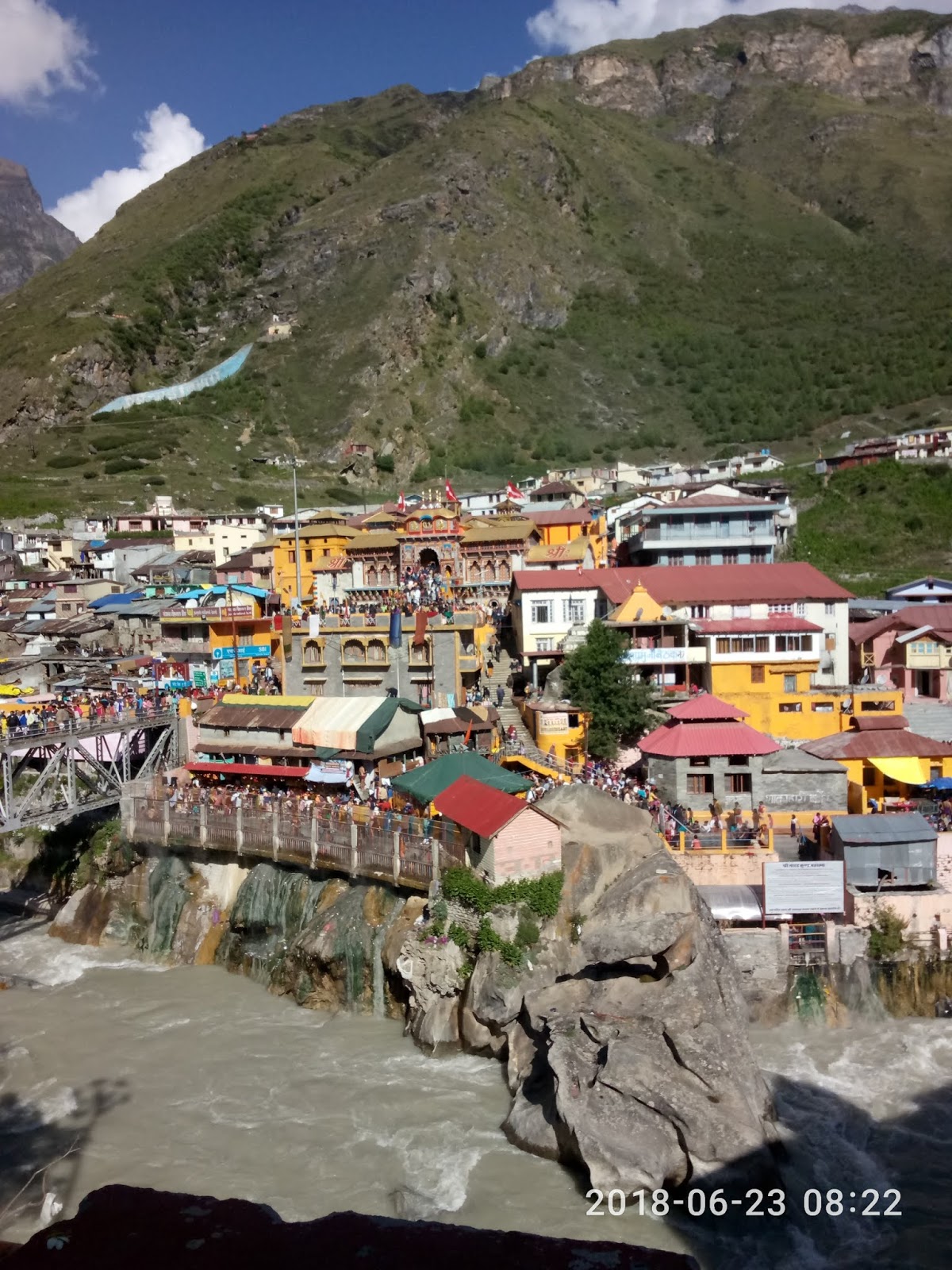
பத்ரிநாதர் கோயிலின் அடியில் கங்கை ‘சில்லென’ ஓடிக் கொண்டிருக்கும்! குளிப்பதற்கு வசதியாகவும் இருக்காது; அந்தச் சில்லிப்பையும் தாங்க முடியாது. ஆனால் கொதிக்க கொதிக்க வெண்ணீர் ஊற்றுக்கள் இருக்கின்றன. நிர்வாகத்தினர் வெண்ணீரையும் தண்ணீரையும் சரிவிகிதத்தில் கலக்குமாறு செய்து, அங்குள்ள சப்த குண்டத்தில் விழுமாறு செய்துள்ளனர். அவ்விதம் மூன்று தொட்டிகள் உள்ளன! ஆனந்தமாக நீராடலாம. எடுத்தவுடன் ‘தடால்’ என தொட்டிக்குள் இறங்கிவிடாமல், கொஞ்சம் உடலை சுடுநீரின் சீதோஷ்ணத்திற்கு சில் நொடிகள் பழக்கப்படுத்திவிட்டு, பின் முழுவதுமாக இறங்க வேண்டும்.

ஆறங்கரையில் மூதாதையர்களுக்கு திதி (சிரார்த்தம்) கொடுக்கலாம். அவரவர்கள் வழக்கப்படி செய்துவைக்க ஆட்கள் இருக்கிறார்கள்.  இடையில்  'ப்ரோக்கர்கள்' அதிகம். சற்றே கவனம்,  அதிகமாக சார்ஜ் செய்வார்கள். நேரிடையாக சம்பந்தப்பட்ட ஆட்களிடம் சென்றுவிட்டால், ஓரளவு கட்டனம் குறையும்.  திதிகொடுத்தபின், பிண்டங்களை அருகிலேயே உள்ள பிரம்ம கபாலத்தில் காண்பித்துவிட்டு, பின் கங்கையில் கரைக்க வேண்டும்.

அந்த சடங்குகளை முடித்தபின்,  உடைமாற்றிக் கொண்டு, பத்ரிநாதரைத் தரிசித்தேன். ஆஹா... இதற்காகவன்றோ காத்திருந்தேன். திவ்ய தரிசனம்.

அவரை, யார் யார் எவ்விதமாகப் பார்க்கிறார்களோ அவ்விதமாகவே தோன்றுவார் என்று சொல்கிறார்கள்.  சிவனாகப் பார்த்தால்-சிவன்; பெருமாளாகப் பார்த்தால் பெருமாள்; காளியாகப் பார்த்தால் காளி.  நான் எவராகவும் பார்க்கவில்லை; எங்கும் உறை பரம்பொருளாக, உங்களுக்குள், எனக்குள், சகல ஜீவராசிகளுக்குள்ளும்,  சகல அண்ட-ப்ருமாண்ட்த்திற்குள்ளும் - அதுவாகவே இருக்கும் யூனிவர்ஸல் சக்தியாகவே பார்த்தேன்; எப்பொழுதும் போல!

பத்ரிநாதரை மிக அருகில் சென்று தரிசிக்கலாம். ‘ஜெருகண்டி’ வெளியே இழுத்துத் தள்ளிவிடுவது ஆகியவை இல்லை; மிக மரியாதையாகவே அடுத்தவருக்கு இடம்விடும்படி கேட்டுக்கொள்கிறார்கள். மறுபடியும்  தரிசிக்க வேண்டுமெனில், வெளியே உள்ள உயராமன மேடையிலிருந்தும் பார்க்கலாம்;  மிக  நல்ல முழு தரிசனம் கிடைக்கும்.எத்தனை முறை வேண்டுமென்றாலும் பார்க்கலாம்.

நான் தங்கியிருந்த லாட்ஜின் எதிரே ஒரு விபத்து நிகழ்ந்து, லாரி ஒன்று தலைகுப்புற மண்ணில் புதைந்துவிட்டதால், சாலை சரியாகும்வரை, இருதினங்கள்  பத்ரியிலேயே காத்திருக்க வேண்டியதாயிற்று. இதை இறைவன் கொடுத்த சந்தர்ப்பமாகப் பயன்படுத்திக் கொண்டு பன்முறை கோயிலுக்குச் சென்றுவந்தேன்.

அனைத்தும் பத்ரிநாதர் அருளால் செம்மையாக நடந்து முடிந்தது.

குறிப்பு:

1.     எந்த இடங்களைப் பார்க்கப் போகிறோம் என்பதை கூகுளித்துவிட்டு செல்வது நல்ல உபாயம்.

2.     பேக்கேஜ் டூராக இருப்பின், எந்த எந்த இடங்களைக் காண்பிப்பார்கள் என்பதை உறுதிப் படுத்திக் கொள்ள வேண்டும். அனுபவமிக்க டூர் ஆபரேட்டர்களை தேர்வு செய்து கொள்ளுங்கள்.

3.     கோடைகாலமாக இருப்பின், இரவில் தங்குவதாக இருந்தால் மட்டும் பத்ரிக்கு குளிருடை அவசியம். அன்று மாலையே திரும்புவதாக இருந்தால் ஒரு குல்லாவே போதும்.

4.     தேவையற்ற ல்க்கேஜ்களை ரிஷிகேஷோ அல்லது ஹரித்வாரோ எங்கிருந்து புறப்படுகிறீர்களோ, அங்கே விட்டுச் செல்லுங்கள்.

5.     மிகவும் டைட் ஷெட்யூல் போட்டுக் கொள்ளாதீர்கள். கைவசம் உபரியாக இரு தினங்களாவது வைத்துக் கொள்ளுங்கள். இயற்கை இடர்கள் அதிகம் நிகழும் இடம்.

6.     ஆதார் அட்டை அவசியம். ‘சார்தாமில்’ எந்த தாமிற்குச் சென்றாலும் ரிஷிகேஷில் கேட்பார்கள்.

7.     மருந்துகள், டார்ச் போன்றவற்றை எடுத்துச் செல்லுங்கள்.

8.     மிக வயதானவர்களை சுமந்து செல்ல ஆட்கள் இருக்கின்றனர். தேயிலைத் தோட்டங்களில் தேயிலை பறித்துப்போட ஒரு கூடை ஒன்றை முதுகில் கட்டியிருப்பார்களே, அது போல ஒரு கூடை ஒன்றை முதுகில் கட்டி, அதனுள் பயணிகளை அமரச் செய்து,  அனாயாசமாக நடக்கிறார்கள்.

9.     ஆக்சிஜன் சற்றே குறைவு என்பதால் (பெரும்பாண்மையினருக்கு பிரச்சினையே இல்லை, வெகுசில நோயாளிகளுக்கு மட்டும்) கவனம் தேவை. வெளியில் மொபைல் எமர்ஜென்ஸி மெடிகல் கேர் வாகனங்கள், அத்தியாவசிய உபகரணங்களுடன் இருக்கின்றன.

10.  வழியெங்கும் தடையில்லா செல்போன் சிக்னல் கிடைக்காது. எனக்குத் தெரிந்து, சற்றே ‘வீக்காக்’ இருந்தாலும் பி.எஸ்.என்.எல் பெரும்பான்மையான இடங்களில் சிக்னல் கிடைக்கிறது.

 புகைப்படங்கள் : சில  படங்கள் நெட்; சில என்னடையது